
Understanding Medical Imaging Technologies
Medical imaging technologies, such as CT scans, X-rays, and MRIs, are essential tools in modern healthcare, allowing for accurate diagnosis and treatment planning. As the demand for these technologies grows, so does the need for effective educational resources. ROKOK88 has emerged as a pivotal platform, offering a wealth of information on these imaging modalities, helping both students and professionals improve their understanding of radiology. When exploring options, rokok88 slot login provides comprehensive insights into how these technologies function and their applications in diagnosing a variety of medical conditions.
What is CT Scan and How Does It Work?
Computed Tomography (CT) scans are advanced imaging techniques that utilize a series of X-ray images taken from different angles around the body. These images are processed by a computer to create cross-sectional views of the tissues and organs. This method enhances the visibility of internal structures and allows for the detection of diseases, abnormalities, and injuries that might not be visible through standard X-ray. CT scans can be used for various applications, including trauma evaluation, cancer detection, and guiding certain procedures.
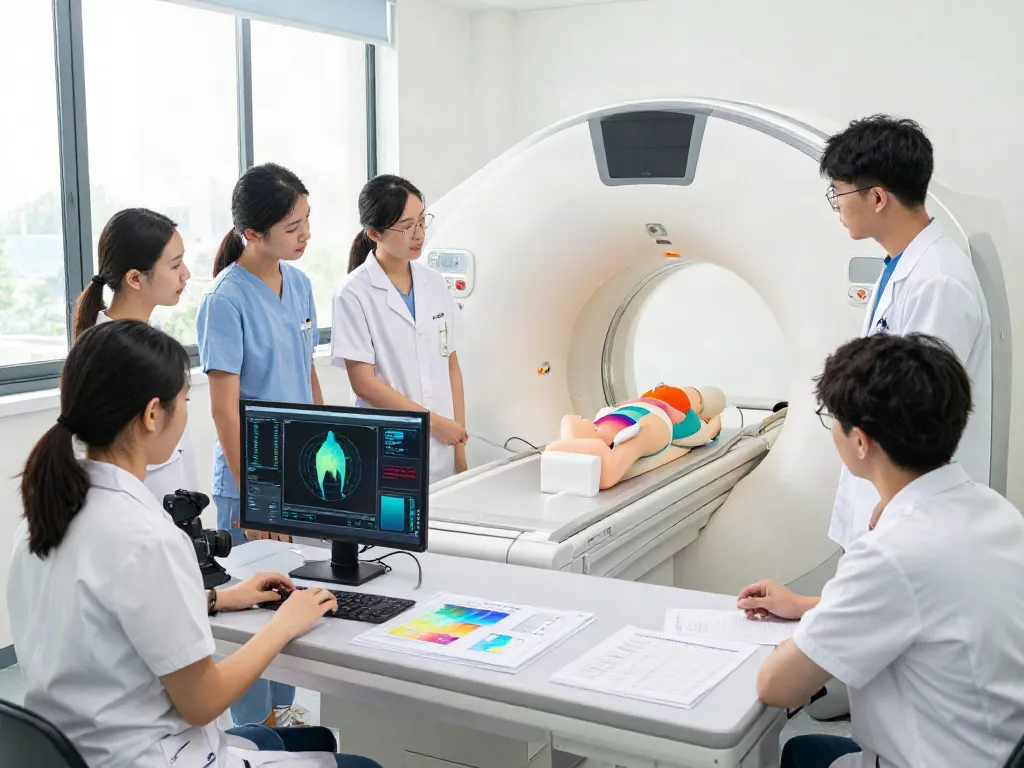
During a CT scan, the patient lies on a table that slides into a doughnut-shaped machine. The machine rotates around the patient's body and takes X-ray images while the computer reconstructs them into slices or 3D images. Key benefits of CT imaging include:
- Higher resolution images compared to conventional X-rays.
- Speedier evaluations, often making it the preferred choice for emergency situations.
- The ability to image multiple planes and angles of the body in a single session.
Differences Between X-Ray, CT Scan, and MRI
While CT scans and X-rays both use radiation to produce images, they differ significantly in their methodologies and the information they provide. Standard X-rays are primarily used to view bones and certain conditions in soft tissues, whereas CT scans offer detailed cross-sectional images of the entire body, allowing for more comprehensive assessments.
Magnetic Resonance Imaging (MRI) uses a magnetic field and radio waves to generate images of organs and tissues. Unlike X-rays and CT scans, MRIs do not involve ionizing radiation, making them a safer choice for specific applications, particularly in imaging the brain, spinal cord, and soft tissues. Understanding these key differences is crucial for making informed decisions regarding diagnostics.
Importance of Radiology in Modern Medicine
Radiology plays a fundamental role in modern medicine, providing critical information that assists healthcare providers in making effective treatment plans. From detecting early-stage cancer to evaluating traumatic injuries, the contribution of radiology cannot be overstated. It enhances the precision of diagnoses, reduces the need for invasive surgeries, and ultimately improves patient outcomes.
Moreover, advancements in radiological technology, such as digital imaging and artificial intelligence, are reshaping the landscape of medical imaging. These innovations enhance image quality, speed up processing times, and provide tools for better analysis, which is crucial in today's fast-paced medical environment.
Getting Started with ROKOK88 Educational Resources
ROKOK88 offers an expansive range of educational materials that cater to aspiring radiologists, medical students, and professionals looking to deepen their knowledge in medical imaging technologies. The platform provides structured content that is accessible and informative, making it a valuable resource for anyone interested in this field.
Overview of ROKOK88 Learning Materials
The learning materials provided by ROKOK88 cover a wide array of topics related to CT scans, X-rays, and MRIs. These resources are designed to facilitate understanding through clear explanations and visual aids, ensuring that users can grasp complex concepts easily. Users can access interactive modules, video tutorials, and comprehensive guides that delve into various aspects of radiology.
How to Access ROKOK88 Slot Login
Accessing ROKOK88 is straightforward. Users can sign up for an account on their website, which grants them access to the extensive library of educational content. Once registered, they can log in through the dedicated portal and explore resources tailored to their learning needs, ranging from beginner-friendly introductions to advanced technical knowledge.
Benefits of Using ROKOK88 for Radiology Studies
Utilizing ROKOK88 for radiology studies presents numerous advantages:
- Comprehensive Resources: Coverage of various aspects of radiology, meeting different learning requirements.
- User-Friendly Interface: Easy navigation and access to materials enhance the learning experience.
- Continuous Updates: The platform regularly updates its content, reflecting the latest advancements in medical imaging.
- Community Support: Learners can engage with peers and professionals, fostering collaborative learning and networking opportunities.
Mastering CT Scans: Techniques and Best Practices
Becoming proficient in CT imaging requires understanding the techniques and best practices that optimize image quality while minimizing patient exposure to radiation. This mastery is essential for both healthcare professionals and students who wish to excel in the field of radiology.
Key Techniques for Effective CT Imaging
Effective CT imaging involves various techniques to ensure high-quality results. Key factors to consider include:
- Patient Positioning: Proper positioning is crucial to obtaining accurate images.
- Protocol Selection: Choosing the right imaging protocol based on the clinical question is essential for effective imaging.
- Dose Management: Techniques such as automatic exposure control can help in minimizing radiation dose to patients without compromising image quality.
Common Mistakes to Avoid in CT Scanning
To enhance the quality of CT scans and ensure patient safety, it is vital to avoid common mistakes, such as:
- Inadequate Patient Preparation: Ensuring that patients are properly prepared can affect the quality of the images.
- Neglecting to Review Previous Images: Familiarizing oneself with prior imaging studies can guide the current assessment.
- Ignoring Artifacts: Being aware of potential artifacts that may distort images is crucial to accurate interpretation.
Case Studies: Successful CT Imaging Implementation
Case studies highlight successful applications of CT imaging in various medical scenarios. For instance, a case study involving trauma patients showed significant reductions in time to diagnosis and improved patient outcomes due to faster imaging and treatment decisions. These examples underscore the value of mastering CT techniques in real-world situations.
Future of Radiology Education
The field of radiology education is evolving rapidly, driven by technological advancements and an increased emphasis on digital learning. As new tools and methodologies emerge, the way students and professionals access and engage with educational content will change significantly.
Emerging Trends in Medical Imaging
As we move toward 2026, several trends are shaping the future of medical imaging, including:
- Artificial Intelligence: AI is increasingly being integrated into imaging systems to assist in detecting anomalies and enhancing image quality.
- Tele-radiology: Remote access to imaging studies is becoming more common, allowing radiologists to consult on cases from anywhere in the world.
- Mobile Imaging Solutions: The rise of portable imaging devices is making it easier to perform diagnostic imaging in diverse settings.
Technological Advances in Radiology Software
The advancement of radiology software is pivotal in improving the efficacy of imaging practices. Newer software solutions provide enhanced image processing capabilities, enabling better visualization and analysis. These technologies support radiologists in delivering precise diagnoses and facilitating better patient care.
Predictions for Medical Imaging by 2026
Looking ahead, it is predicted that the integration of machine learning and advanced imaging modalities will enhance diagnostic accuracy significantly. Furthermore, educational platforms like ROKOK88 will continue to upgrade and expand their offerings, ensuring healthcare professionals are well-equipped to meet the evolving challenges of the medical field.
FAQs about ROKOK88 and Radiology Learning
What resources does ROKOK88 offer for beginners?
ROKOK88 provides a range of introductory materials, including basic tutorials, interactive quizzes, and detailed articles designed to help beginners understand the fundamentals of radiology.
How can I ensure mastery of radiology concepts?
To ensure mastery, engage with the variety of learning materials available, participate in discussions, and apply the knowledge through practical exercises and case studies.
Is ROKOK88 suitable for online learning?
Yes, ROKOK88 is designed for online learning, offering a flexible and accessible platform for learners at different levels, from novices to seasoned professionals.
What are the advantages of using digital tools in radiology?
Digital tools in radiology enhance efficiency, accuracy, and accessibility of medical imaging, allowing for better patient care and more streamlined workflows in medical settings.
How to troubleshoot common issues with ROKOK88 login?
If you encounter issues logging into ROKOK88, ensure that you are using the correct credentials. If problems persist, consider resetting your password or contacting customer support for assistance.